


Designing for a hotter city
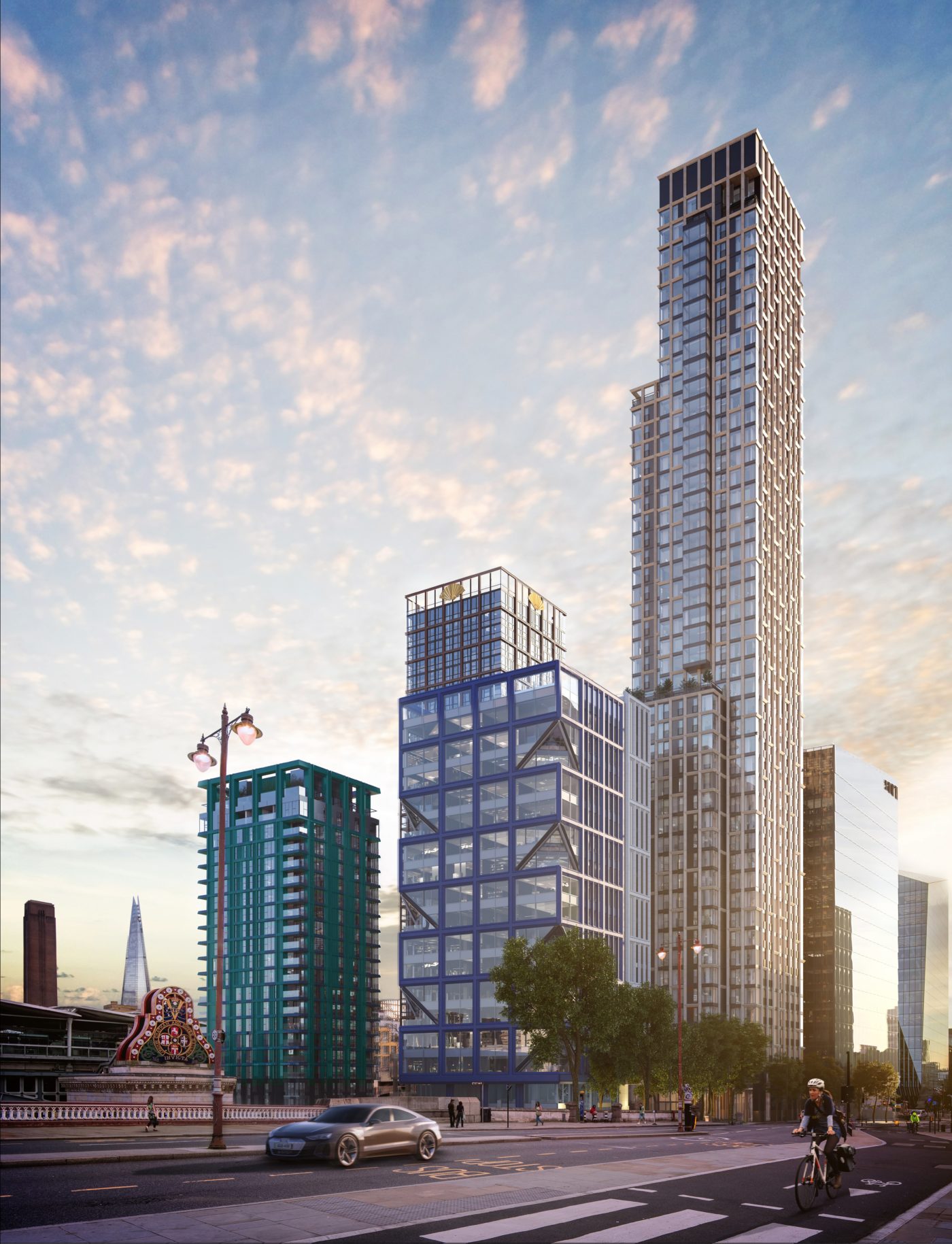
As cities around the world contend with rising temperatures, the challenge of creating places that remain comfortable, resilient and enjoyable to live in is becoming increasingly important. In a recent feature for Architecture Magazine, PLP Architecture’s Tina Qiu argues that the response to climate change must extend beyond individual buildings and instead consider how entire neighbourhoods are planned, connected and experienced.
The article explores how architecture, landscape and public realm can work together to reduce heat exposure, strengthen biodiversity and improve everyday wellbeing. Rather than relying solely on technological solutions, it highlights the growing importance of urban environments that are designed as integrated systems, where public spaces, green infrastructure and buildings collectively contribute to a healthier city.
Bankside Yards is cited as an example of this approach. Occupying a significant stretch of London’s South Bank, the mixed-use neighbourhood brings together homes, workplaces, cultural destinations and public spaces within a masterplan designed by PLP Architecture. The project reflects a wider shift in urban regeneration, one that prioritises not only what is built, but how people move through a place, connect with nature and experience the city around them.
This way of thinking is becoming increasingly relevant across London. As the capital continues to adapt to changing environmental conditions, there is growing recognition of the role that green space, walkability and high-quality public realm play in supporting everyday life. The most successful neighbourhoods are no longer defined solely by the buildings they contain, but by the wider experience they provide.
As Architecture Magazine suggests, the future of climate resilience will be shaped at the scale of the city itself. Projects such as Bankside Yards demonstrate how thoughtful urban planning, landscape and architecture can come together to create places that are better equipped for the decades ahead, while remaining vibrant, connected and accessible today.